When you buy a car, you will come across many different terms to describe the various car parts, including the engine. Descriptions such as 'V8' and 'twin' can be confusing to the average car buyer. Is one engine type better than another? When it comes to engine cylinders, is the more the merrier?
You probably understand the importance of your car's engine. Without a working engine, you won't get very far. But most of us don't know much about how engines work.
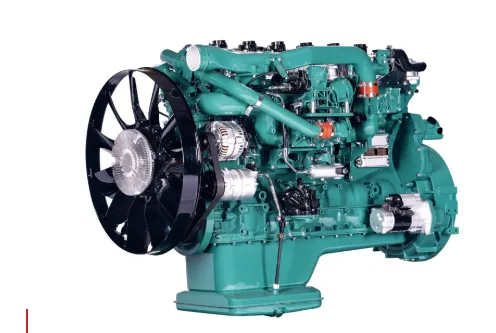
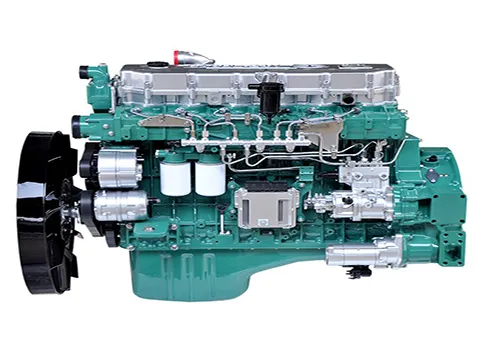
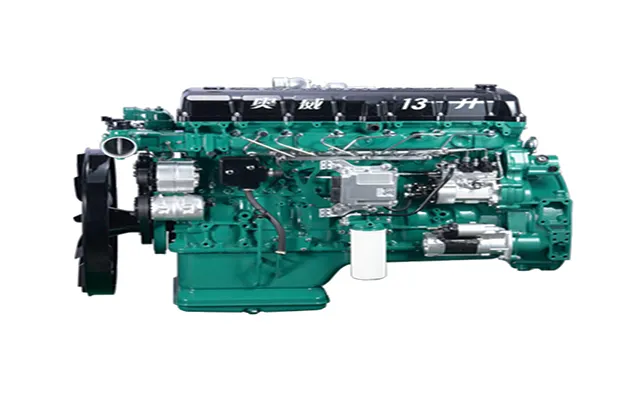
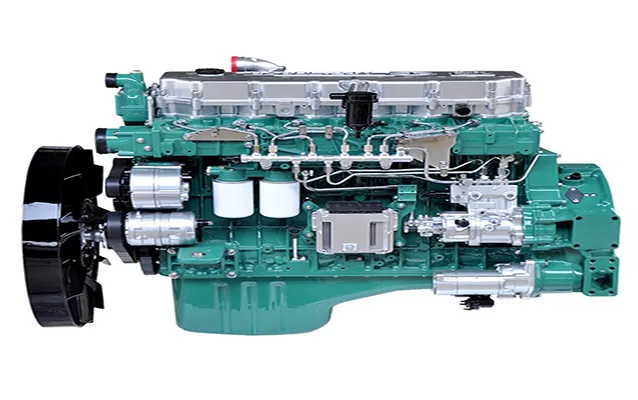
Car engines are designed around sealed, flexible metal cylinders. Most modern vehicles have between 4 and 8 cylinders, but some can have up to 16! The cylinders open and close at the correct time to introduce fuel combined with a spark from internal combustion and to release the exhaust gases produced.
An engine is a machine that converts energy into physical labor. If you need something to move, an engine is just something to slap it around. But not all car engines are the same, and different types of engines certainly don't work the same.
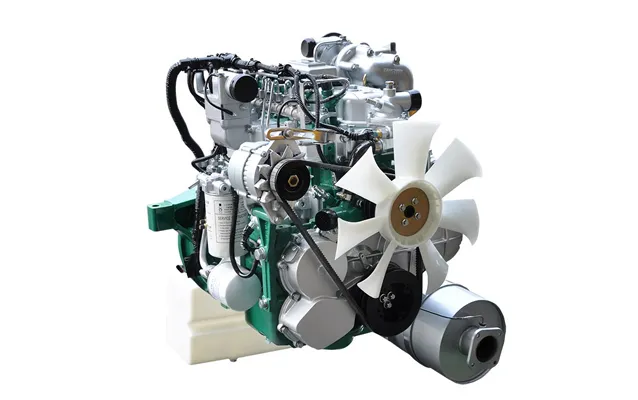
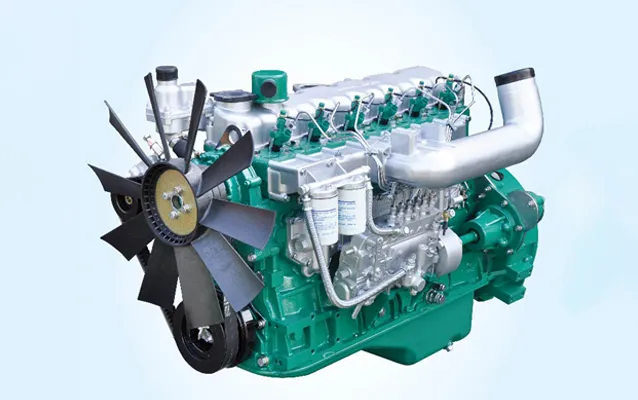
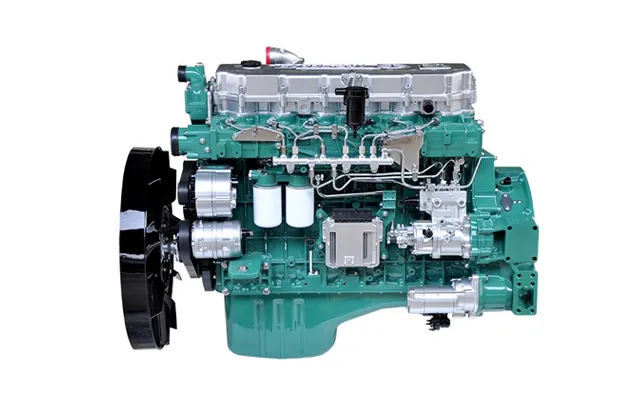
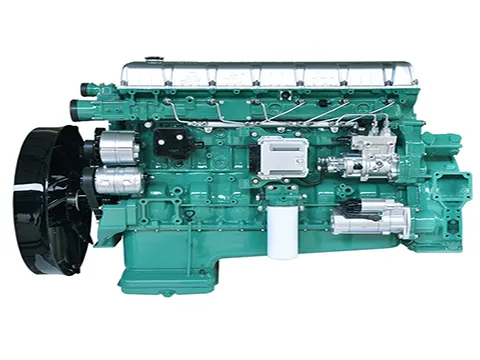
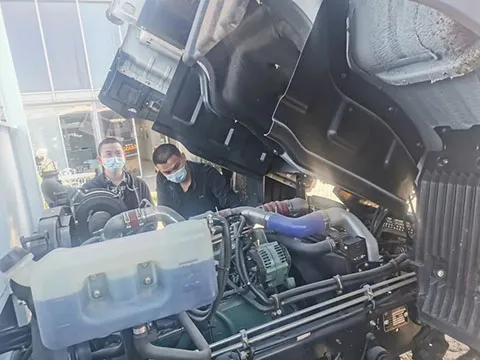
Have you ever opened the bonnet of a car and wondered what was going on inside? To the untrained eye, a car engine looks like a messy pile of metal, tubes, and wires. You might just be curious to find out what's going on. Or maybe you're buying a new car and you hear things like "2.5-liter tilt four" and "turbo" and "start/stop technology".